Introduction
In today’s world, kids spend more time on screens and less time moving. This is why Youth Fitness Important for their overall health. Staying active helps children grow strong, stay fit, and feel happy in both their body and mind.
In this blog, we will talk about the many benefits of exercise for kids, explain how physical activity helps their growth, discuss the challenges they face in staying active, and share simple ways parents, teachers, and communities can support them. With the right guidance, children can build healthy habits that last a lifetime.
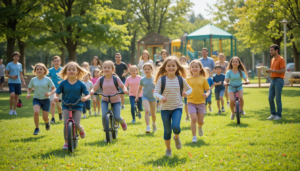
Fitness is more than just running or lifting weights. For kids and teens, it means:
- A strong heart and healthy lungs
- Strong muscles
- Being able to bend and stretch easily
- Good balance and control of the body
- Feeling happy, calm, and relaxed in the mind
Overall, Youth Fitness Important because it helps children build good habits that make them strong, active, and confident. Fitness can be simple and fun—like dancing, playing tag, swimming, jumping rope, or riding a bike.
What Fitness Really Means for Kids and Teens | Youth Fitness Important
Fitness is more than just running or lifting weights. For kids and teens, it means:
- A strong heart and healthy lungs
- Strong muscles
- Being able to bend and stretch easily
- Good balance and body control
- Feeling happy, calm, and relaxed in the mind
Overall, Youth Fitness Important because it helps children build good habits that make them strong, active, and confident. Fitness can also be simple and fun—like dancing, playing tag, swimming, jumping rope, or riding a bike.
2. Physical Benefits of Fitness for Kids | Youth Fitness Important
Regular exercise gives many physical benefits to children:
a. Healthy Growth:
To begin with, staying active helps bones, muscles, joints, and organs grow strong.
b. Healthy Weight:
In addition, it helps prevent extra weight and reduces the risk of future health problems like diabetes, high blood pressure, and heart issues.
c. Better Sleep:
Moreover, active kids fall asleep faster and enjoy deeper, more peaceful sleep.
d. Strong Immunity:
Finally, a fit body fights germs better and recovers faster from sickness.
These points clearly show why Youth Fitness Important for every child’s physical development.
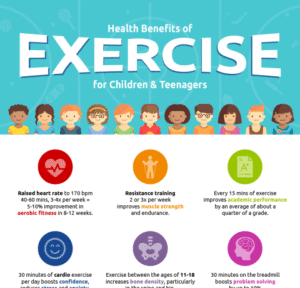
3. Mental and Emotional Benefits of Fitness for Kids | Youth Fitness Important
a. Better Confidence and Mood:
To start with, when children play or exercise, their bodies release “happy chemicals” called endorphins. These make them feel good, improve their mood, and boost their confidence.
b. Less Stress, Sadness, and Worry:
Furthermore, exercise helps the brain stay calm and relaxed. It also lowers stress chemicals, which reduces feelings of sadness, depression, and anxiety.
c. Sharper Memory and Focus:
In addition, active kids can focus better in school, stay alert in class, and remember things more easily.
These benefits show why Youth Fitness Important for a child’s mental and emotional growth.
4. Fitness and School Performance | Youth Fitness Important
Many studies show that kids who stay active often do better in school. For example, they are more likely to:
- Get higher marks in tests
- Pay attention in class
- Behave well and attend regularly
- Work well with others and solve problems
In short, staying active doesn’t just make the body strong — it also makes the mind sharp, focused, and ready to learn. This is another clear reason why Youth Fitness Important for every child.
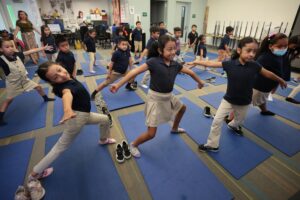
5. How Physical Activity Helps Society | Youth Fitness Important
a. Better Communication: To begin with, when kids play sports or do activities together, they learn how to talk, share, and solve problems with others.
b. Stronger Friendships: In addition, being part of a team or activity group helps kids work together, make new friends, and feel like they belong.
c. Responsibility and Leadership: Furthermore, through fitness activities, kids learn how to lead, listen, follow rules, and take responsibility.https://amzn.to/44fL6ga
These benefits show why Youth Fitness Important not only for kids but also for building a healthy, respectful, and connected society.
6. Fitness Builds Lifelong Habits | Youth Fitness Important
The habits kids learn when they are young often stay with them as they grow up. For instance, children who enjoy being active are more likely to:
- Stay active as adults
- Avoid long-term diseases
- Make better food and lifestyle choices
- Have more energy and finish their work on time
In simple words, Youth Fitness Important because teaching healthy habits early is like investing in strong health for the future.
7. Challenges Kids Face in Staying Active | Youth Fitness Important
Even though exercise is very good for children, many kids still struggle to stay active. Some common reasons include:
- a. Too Much Screen Time: For example, spending too many hours on phones, tablets, or computers leaves less time for movement.
- b. School Pressure: Moreover, homework, exams, and busy routines make it hard to find time for fitness.
- c. No Safe Places: In some areas, there are no parks, playgrounds, sports programs, or safe spaces to play.
- d. Mental Health Problems: Lastly, feeling sad, stressed, shy, or not confident can stop kids from joining physical activities.
These challenges show why Youth Fitness Important and why kids need support from parents, teachers, and communities.

8. How Parents Can Encourage Exercise at Home | Youth Fitness Important
Parents play a big role in helping kids stay active. To start with, they can:
- Set a good example by being active themselves
- Limit screen time and encourage kids to play outside
- Involve children in simple chores like walking the pet, washing the car, or gardening
- Celebrate their physical achievements, even small ones
- Make exercise fun with bike rides, dance parties, or small obstacle courses
These simple actions show why Youth Fitness Important and how parents can support healthy habits at home.
9. How Schools Can Support Fitness | Youth Fitness Important
Schools also play an important part in keeping kids active. For example, they can:
- Have daily physical education classes and short active breaks
- Start after-school sports teams or fitness clubs
- Include short “brain breaks,” stretching, or classroom yoga
- Use active learning, like walking discussions or lessons with movement
In the end, schools should treat physical activity as important as academics because Youth Fitness Important for building strong, healthy habits that last a lifetime
10. Role of the Community and Government
Furthermore, communities and governments can also help kids stay active. They can do this by:
- Building safe parks, bike lanes, and sports centers
- Offering free or low-cost sports programs for kids
- Teaching families why exercise is important through awareness programs
- Making physical education necessary in all schools
In short, everyone must work together so that fitness becomes a normal part of everyday life.
11. Popular Fitness Activities for Kids and Teens
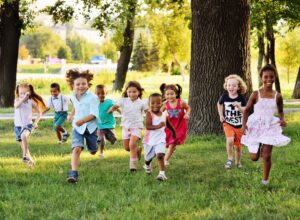
Kids and teens enjoy fitness more when the activities are fun. For example, some good options include:
- Team sports like cricket, basketball, or soccer
- Dance classes or martial arts
- Swimming or gymnastics
- Outdoor activities such as cycling, hiking, or skateboarding
- Yoga and simple mindfulness exercises
The main idea is that the activity should be regular, enjoyable, and suitable for their age.
 .
.
12. Fitness and Self-Confidence
Moreover, many young people feel worried about their body shape during their teenage years. Regular exercise helps them:
- Feel happy and confident about their body
- Focus on becoming stronger instead of just looking good
- Appreciate what their body can do, not only how it looks
- Stay away from unhealthy habits like extreme dieting
In simple words, exercise teaches self-worth and self-respect — two very important things while growing up.
13. How Fitness Affects Long-Term Health
Additionally, kids and teens who stay active are more likely to become healthy adults. Staying active helps prevent many problems such as:
- Heart disease
- Type 2 diabetes
- Obesity
- Weak bones
- Mental health issues
After all, it is always easier to stop these problems early than to treat them later.
14. Digital Tools to Help Kids Stay Active
Interestingly, technology can also be used in a healthy way to make fitness fun. For instance, children can try:
- Smartwatches and step counters
- Fitness challenge apps made for kids
- YouTube workout videos designed for children
- Fitness video games like Ring Fit Adventure or Just Dance
In this way, technology and exercise can work together to keep kids active and excited.
15. Final Thoughts: The Power of Movement
In conclusion, fitness is not just a hobby — it is the base of learning, success, and good health. Supporting kids’ fitness means:
- Building strong bodies and sharp minds
- Reducing future health problems and medical costs
- Helping children grow into confident, capable, and strong adults
- Creating healthy habits that stay for life
Ultimately, to raise healthy, happy, and confident young people, fitness should be a top priority at home, in schools, and in the community.

Leave a Reply