
Our eyes are one of the most important parts of our body. They help us see the world, complete daily tasks, and enjoy life. However, many people today suffer from common eye problems due to poor lifestyle habits, unhealthy food choices, and too much screen time. As a result, eye health often becomes weak.
The good news is that most common eye problems can be prevented with proper eye care and simple daily habits. For example, eating healthy foods, taking breaks from screens, and getting enough rest can protect your eyes. Therefore, let’s explore some common eye problems and learn easy ways to avoid them.
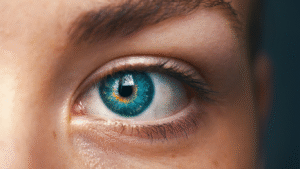
1. Common Eye Problems: Dry Eyes
Dry eyes are one of the most common eye problems, and they occur when your eyes do not produce enough tears or when tears evaporate too quickly. As a result, this common eye problem can make your eyes feel irritated, itchy, or cause a burning sensation. In some cases, dry eyes may also lead to blurred vision, making it harder to focus on daily activities such as reading, driving, or using a computer.
Moreover, several factors can make this common eye problem worse. For example, spending long hours in front of screens without blinking enough reduces natural moisture in the eyes. In addition, aging is another major cause of common eye problems like dry eyes, because tear production decreases over time. Certain medications, such as those for allergies or high blood pressure, can also increase dryness. Furthermore, living in dry or windy environments, or sitting close to fans, heaters, or air conditioners, can cause tears to evaporate faster.
How to Avoid It:
First of all, drink plenty of water throughout the day to stay hydrated, since dehydration often makes common eye problems like dry eyes worse.
Secondly, use artificial tears or lubricating eye drops whenever your eyes feel uncomfortable. These drops provide quick relief from this common eye problem and improve eye comfort.
In addition, follow the 20-20-20 rule. Every 20 minutes, look at something 20 feet away for 20 seconds. This habit helps reduce screen-related common eye problems.
Moreover, avoid sitting directly in front of fans, heaters, or air conditioners for long periods, because they dry out the air around you and can trigger common eye problems such as dry eyes.
Finally, eat foods rich in omega-3 fatty acids, such as fish, chia seeds, and walnuts. These foods support healthy tear production and help prevent common eye problems naturally.
In short, dry eyes may seem like a minor issue, but it is one of the most common eye problems that can affect your quality of life if ignored. By making these small daily changes, you can reduce discomfort and protect your vision in the long run.
5. Eye Infections: Common Eye Problems Causing Red or Itchy Eyes
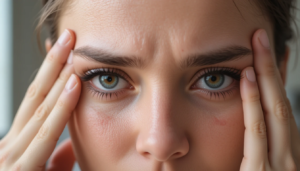
Eye strain is one of the most common eye problems in today’s world, mainly because of heavy use of digital devices such as computers, mobiles, and tablets. When you focus on a screen for too long without rest, your eye muscles work harder than usual. As a result, this common eye problem can cause headaches, blurred vision, tired eyes, and sometimes even neck or shoulder pain.
Moreover, eye strain is not caused by screens alone. Reading for long hours without breaks, studying in poor lighting, or sitting too close to books or screens can also lead to common eye problems like eye strain. Many students, office workers, and even children face this issue daily. Therefore, learning how to manage this common eye problem is important for people of all ages.
How to Avoid It:
First of all, follow the 20-20-20 rule. Every 20 minutes, look at something 20 feet away for at least 20 seconds. This simple habit relaxes your eye muscles and helps prevent common eye problems caused by screen use.
Secondly, adjust the brightness and contrast of your screen to match the lighting in your room. Poor screen settings can increase eye strain, which is one of the most common eye problems today.
Moreover, make sure your room is well-lit while reading or working. Dim light forces your eyes to strain more, while very harsh light can also worsen common eye problems.
In addition, keep a proper distance from your screen. Ideally, it should be at least an arm’s length away and slightly below eye level to reduce stress on your eyes.
Finally, remember to blink often. Staring at screens reduces blinking, which can cause dryness and irritation—another reason behind common eye problems.
In short, eye strain may seem like a minor issue, but it is one of the most common eye problems that can affect your vision and overall health if ignored. By developing healthy habits and taking regular breaks, you can work comfortably and protect your eyesight in the long run.
3. Blurry Vision
Blurry vision is another common eye problem that can affect people of all ages. It makes objects appear unclear or out of focus, which can make daily tasks like reading, driving, or even recognizing faces difficult. In many cases, blurry vision happens due to weak eyesight or uncorrected refractive errors, such as nearsightedness or farsightedness.
Moreover, spending long hours on digital screens without rest can also lead to blurred vision, since the constant strain tires your eye muscles. In some situations, blurry vision may not just be a simple eyesight problem but a sign of underlying health issues, such as diabetes, high blood pressure, or migraines. Therefore, it is always important to pay attention to this condition and not ignore it.
How to avoid it:
-
First of all, get your eyes checked regularly by a professional eye doctor. Routine check-ups can detect vision problems early and prevent them from getting worse.
-
Secondly, wear glasses or contact lenses only as prescribed by your doctor. Using the wrong power or ignoring the need for corrective lenses can make blurry vision more severe.
-
In addition, eat a diet rich in vitamin A and other essential nutrients. Foods like carrots, spinach, sweet potatoes, and fish help strengthen your eyesight naturally.
-
Furthermore, reduce screen time whenever possible and practice the 20-20-20 rule to give your eyes proper rest.
-
Lastly, manage your overall health by controlling blood sugar levels, blood pressure, and stress, since these can also contribute to blurred vision.
In short, blurry vision should never be taken lightly. With regular eye check-ups, a healthy lifestyle, and proper care, you can maintain clearer eyesight and prevent long-term complications.
4. Dark Circles and Puffy Eyes
Dark circles and puffiness are very common problems, and they often make the face look tired, stressed, or even older than it is. In most cases, they are caused by lack of sleep, high stress levels, and dehydration. Moreover, spending too much time on screens or rubbing your eyes frequently can also make the problem worse. On the other hand, if dark circles and puffiness last for a long time, they may be linked to health issues such as allergies, iron deficiency, or poor nutrition. The positive news is that with proper care and healthy habits, you can reduce them naturally.
How to avoid it:
-
First of all, make sure you get enough quality sleep—at least 7–8 hours daily. Proper rest allows your body, especially your eyes, to recover.
-
In addition, manage stress through relaxation, meditation, or light exercise, since stress directly affects the skin around your eyes.
-
Furthermore, drink enough water throughout the day because dehydration makes puffiness and dark circles more noticeable.
-
For quick relief, place cucumber slices, cold spoons, or chilled tea bags on your eyes. These natural remedies help reduce swelling and refresh tired eyes.
-
Finally, focus on your diet. Add foods rich in vitamins C, E, and K, as well as iron, to strengthen the skin under your eyes and improve circulation.
As a result, when you combine good sleep, proper hydration, stress control, and healthy nutrition, dark circles and puffiness become less visible over time. Therefore, consistency is the key to seeing lasting improvements.
5. Eye Infections: Common Eye Problems Causing Red or Itchy Eyes
Eye infections are quite common, and they can cause redness, swelling, itching, or even pain. Sometimes, infections develop because of bacteria or viruses, while other times, they spread through allergies, dirty hands, or unclean makeup. If left untreated, even a small infection can become uncomfortable and may affect your vision temporarily. The good news is that most infections can easily be prevented with good hygiene and simple habits.
How to avoid it:
-
First of all, always wash your hands before touching your eyes.
-
In addition, never share makeup, eye drops, or towels with others, since germs can spread quickly this way.
-
Most importantly, keep your contact lenses clean and replace them on time to avoid dangerous infections.
-
Finally, if you notice redness, itching, or unusual discharge, visit an eye doctor promptly instead of trying home remedies.
6. Cataracts and Glaucoma: Common Eye Problems in Older Age
As we grow older, our eyes naturally become more vulnerable to age-related conditions such as cataracts and glaucoma. Cataracts occur when the lens of the eye becomes cloudy, making vision blurry or dim. On the other hand, glaucoma damages the optic nerve, often due to high pressure inside the eye, and can lead to permanent vision loss if untreated. Although these problems sound serious, the good news is that they can often be slowed down or prevented with proper care.
How to avoid it:
-
First of all, go for regular eye check-ups, especially after the age of 40, because early detection makes treatment much easier.
-
In addition, wear sunglasses with UV protection whenever you are outdoors, since harmful sun rays can speed up eye damage.
-
Furthermore, eat a balanced diet that includes leafy greens, nuts, and fish, as these foods are packed with vitamins and omega-3 fatty acids that support eye health.
-
Finally, maintain a healthy lifestyle by controlling blood pressure, managing diabetes, and avoiding smoking, because these factors greatly influence eye health as you age.
https://healthfitness.it.com/wp-admin/post.php?post=393&action=edit
Final Words
In conclusion, eye problems are common, but fortunately, they are not impossible to avoid. With just a few small changes—such as drinking enough water, eating a healthy diet, reducing screen time, and visiting your eye doctor regularly—you can protect your vision. As a result, you will enjoy stronger and healthier eyes for many years to come.
Moreover, caring for your eyes does not always require expensive treatments or complicated routines. Instead, small habits like following the 20-20-20 rule, wearing sunglasses outdoors, and getting enough sleep can make a big difference. In addition, adding eye-friendly foods like carrots, spinach, and nuts to your daily meals supports long-term eye health.
Therefore, never ignore the early signs of eye problems such as dryness, strain, or blurry vision. On the other hand, if you pay attention to these signs and act early, you can prevent bigger issues later. Ultimately, your eyes are precious, and protecting them should be a priority.
So, start today, follow these simple tips, and give your eyes the love and care they truly deserve. After all, healthy eyes mean a brighter, clearer, and more enjoyable life.
Leave a Reply