
Introduction
When we talk about losing weight, many people immediately think about strict diets. However, in reality, exercise plays an equally important role in achieving long-term results. Among different forms of workouts, cardio stands out because it not only burns calories but also improves heart health. In addition, it naturally boosts energy levels, making you feel more active throughout the day.
In this blog, we will explore what cardio is and why it is important. Furthermore, we will cover the best easy exercises you can try and how they support weight loss. Along the way, you will also find practical tips, a sample workout plan, and motivational advice to help you stay consistent on your journey.

What Is Cardio?
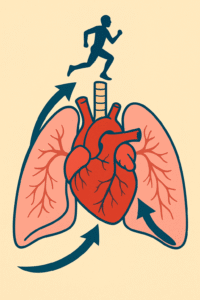
Cardio, short for cardiovascular exercise, is any type of physical activity that raises your heart rate and makes you breathe faster. In simple words, it is exercise that gets your heart pumping and your body moving. When you do cardio regularly, it strengthens your heart, lungs, and blood vessels, helping them deliver oxygen more efficiently.
This improved circulation means your body can use energy better, which is essential for both health and weight loss. Over time, consistent cardio not only builds stamina but also reduces tiredness in daily life.
There are many forms of cardio, and the good news is that you don’t need expensive equipment to get started. For example, some of the most common and beginner-friendly types include:
-
Walking – gentle, safe, and suitable for almost everyone.
-
Running – more intense than walking and excellent for calorie burning.
-
Cycling – fun and effective, whether outdoors or on a stationary bike.
-
Jump rope – a quick, powerful workout that improves coordination.
-
Swimming – a full-body exercise that is easy on the joints.
Unlike strength training, which focuses mainly on building muscles, cardio is designed to improve endurance and help with calorie burning. In addition, it supports weight management by creating a calorie deficit, which is the key to fat loss.
To put it simply, cardio is movement with purpose—movement that keeps your heart healthy, boosts your energy, and makes losing weight much easier.
Why Is Cardio Important for Weight Loss?
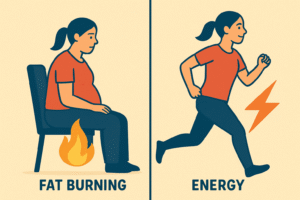
Cardio is one of the most effective ways to create a calorie deficit, which is the foundation of weight loss. When your body burns more calories than you consume through food, it has no choice but to use stored fat for energy. Over time, this process helps you shed extra weight naturally.
At the same time, cardio offers several other health benefits that make your fitness journey more successful. For example, regular cardio sessions speed up your metabolism, meaning your body continues to burn calories even while resting. This is why people who do consistent cardio often notice faster progress compared to those who only rely on dieting.
Moreover, cardio plays a powerful role in preventing long-term health problems. Research shows that regular cardiovascular exercise reduces the risk of heart disease, high blood pressure, and type 2 diabetes. Not only does it protect your physical health, but it also improves your mental well-being.
For instance, during cardio, your brain releases “feel-good hormones” called endorphins. These natural chemicals reduce stress, improve mood, and even fight symptoms of anxiety and depression. Many people also report that they sleep better after consistent cardio workouts, which is essential for recovery and overall energy levels.
To put this into perspective, let’s look at a few examples of how cardio burns calories:
-
Walking at a brisk pace can burn around 250–300 calories per hour.
-
Jogging may burn between 400–500 calories per hour.
-
Cycling can burn 500–600 calories per hour, depending on speed.
-
Swimming, being a full-body workout, may burn up to 700 calories per hour.
How Much Cardio Do You Need?
Experts suggest getting at least 150 minutes of moderate cardio per week, such as brisk walking or light cycling. Alternatively, you can do 75 minutes of vigorous cardio, like running or HIIT.
If weight loss is your goal, you may need a little more. Aim for 200–300 minutes per week, but don’t rush. Start small, stay consistent, and gradually increase your time and intensity.

Best Easy Cardio Exercises for Beginners
Now let’s look at some easy cardio workouts that anyone can start with, even at home.
https://healthfitness.it.com/fitness-tips-for-men-over-40/
1. Walking
Walking is the simplest and safest cardio exercise. You can do it anywhere – on the road, in a park, or even indoors on a treadmill.
-
Burns 200–300 calories per hour.
-
Low impact, so it’s gentle on the joints.
2. Jogging
Jogging is the natural next step after walking. It’s simple, effective, and requires no equipment at all. On average, it burns 400–500 calories per hour. In addition, it helps build endurance and strengthens leg muscles, making it a great choice for beginners and advanced exercisers alike.
3. Cycling
Another excellent option is cycling, which can be done outdoors on the road or indoors on a stationary bike. Not only is it fun, but it also burns 400–600 calories per hour. Moreover, cycling improves leg strength and balance, making it ideal for those who enjoy low-impact workouts.
4. Jump Rope
Jumping rope is one of the most powerful cardio workouts you can try. In fact, just 10 minutes of jump rope can burn as many calories as 30 minutes of jogging. On average, it burns 600–800 calories per hour. Plus, it also improves coordination and agility, which benefits other sports and daily activities.
5. Dancing
If you prefer a workout that doesn’t feel like exercise, dancing is the perfect choice. It can burn 300–500 calories per hour while keeping the experience enjoyable. Additionally, dancing boosts your mood, reduces stress, and supports weight loss without feeling like a routine.
6. Swimming
Swimming is another full-body workout that is easy on the joints. Because it engages multiple muscles at once, it burns 400–700 calories per hour. Besides that, swimming helps build strength, improve endurance, and enhance flexibility, making it suitable for all fitness levels.
7. Hiking
For those who enjoy being outdoors, hiking is both a workout and an adventure. It typically burns 400–600 calories per hour. At the same time, hiking not only improves stamina and strengthens leg muscles but also provides mental relaxation through nature.
8. HIIT (High-Intensity Interval Training)
Finally, there’s HIIT, or high-intensity interval training. This workout alternates between short bursts of intense exercise and periods of rest. For example, you might sprint for 30 seconds and then walk for one minute before repeating the cycleHIIT burns more calories in less time and keeps your metabolism high even after the workout ends.
Cardio Workout Plan for Weight Loss
Here’s a beginner-friendly weekly cardio plan:
1: 30 minutes brisk walking
2: 20 minutes jogging + 10 minutes jump rope
3: Rest or light yoga
4: 30 minutes cycling
5: 20 minutes HIIT (running or bodyweight exercises)
6: 45 minutes dance or swimming
7: Hiking or long walk
Nutrition and Cardio – The Perfect Match
Cardio works best when paired with the right diet. If you do cardio but continue eating unhealthy food, you won’t see results.
Tips:
-
Eat more fruits, vegetables, lean proteins, and whole grains.
-
Avoid sugary drinks and fried foods.
-
Stay hydrated before, during, and after exercise.
Motivation – How to Stay Consistent
One of the most difficult parts of cardio is staying motivated. In the beginning, it feels exciting, but after some time, many people lose interest. To help you stay on track, here are a few simple tips:
-
Listen to music or podcasts while exercising to make it more fun.
-
Find a friend to exercise with so you can motivate each other.
-
Keep track of your progress in a journal or fitness app. Seeing improvements will keep you inspired.
-
Set small and realistic goals instead of big ones. Achieving small wins will build your confidence.
Safety Tips for Cardio
Staying safe is just as important as staying active. If you want your workouts to be effective and injury-free, keep these tips in mind:
-
Always warm up before you start to prepare your muscles.
-
Wear comfortable shoes and clothes so you can move freely.
-
Begin slowly if you are new and increase your speed or time step by step.
-
Listen to your body. If you feel pain or discomfort, take a rest.
-
Talk to a doctor before starting a new routine, especially if you have health issues.
Conclusion
Cardio is one of the best and most enjoyable ways to lose weight while also taking care of your heart. No matter which activity you choose—walking, jogging, cycling, or dancing—the most important thing is to stay consistent. Start with small steps, keep a regular routine, and combine it with healthy eating. Over time, you will begin to see real results.
Always remember that weight loss is a journey, not a race. With cardio and a positive mindset, you can achieve not only better fitness but also more happiness in your daily life.
Leave a Reply