

Introduction
Exercise does more than help you lose weight or build muscles. It also has a big effect on your brain. In fact, this is one of the most powerful effects of exercise that many people don’t notice. Moving your body is important for both your brain and your health. Exercise can help you remember things better, feel less anxious, and improve your mood.
In this blog, we will look at how different types of exercise help your mental health. We will also see how exercise makes your brain work better and even change its structure. By learning about the powerful effects of exercise, you’ll understand how daily workouts can improve your thoughts, feelings, and lifestyle.

1. Being Aware of the Brain-Body Connection | Powerful Effects of Exercise
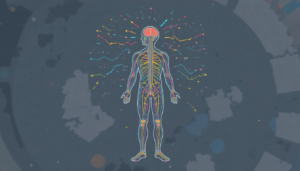
Your body and brain are always connected. Every time you move, your body sends messages to your brain. These messages can change how you feel and how your brain works. At the same time, your brain helps your body handle stress, tiredness, and energy.
When you exercise, good things happen in your body. Your brain gets more oxygen, nutrients, and special chemicals. This helps you feel happier, remember things better, and focus more. These are simple examples of the powerful effects of exercise and show why moving your body is so important for a healthy brain.https://en.wikipedia.org/wiki/Heart_rate
The Science: How Exercise Affects Your Brain | Powerful Effects of Exercise
Exercise helps your brain in many ways.
First, it increases blood flow. When you move, your heart beats faster and sends more oxygen to your brain. This helps clean your brain and grow new brain cells.
Feel-Good Chemicals
When you exercise, your brain makes chemicals that make you feel good:
- Dopamine makes you happy and motivated.
- Serotonin lifts your mood and helps you sleep.
- Endorphins reduce pain.
- Norepinephrine gives you more energy and focus.
These chemicals help you feel better and think more clearly. This is one of the powerful effects of exercise.
Brain Growth and Learning
Exercise also makes a protein called BDNF.
This protein helps your brain grow new cells and make old ones stronger. It helps you learn new things and adapt to changes. This is called neuroplasticity and keeps your brain active and healthy — another powerful effect of exercise.
3. A Natural Antidepressant for Fitness and Mental Health | Powerful Effects of Exercise
Exercise is one of the best ways to make your mind feel good.
First, it lowers anxiety. Activities like running, swimming, and cycling reduce a stress chemical called cortisol. This helps your body and mind feel calm and relaxed.
Next, exercise can help with depression. For mild or moderate depression, regular workouts can act like medicine. This works because exercise raises serotonin and dopamine, brain chemicals that make you feel happy.
Finally, exercise helps you sleep better. Good sleep is very important for a healthy brain. Exercise helps your body know when to sleep, making it easier to fall asleep and stay asleep.
These are all simple examples of the powerful effects of exercise on your mind and health.
https://healthfitness.it.com/best-plant-based-recipes-for-weight-loss/
4. Exercise and Brain Power: Better Memory and Learning | Powerful Effects of Exercise
First, exercise makes your brain work better. Running, cycling, or other activities help the part of your brain that controls memory and learning. This helps you remember things and learn faster.
Next, exercise helps you focus. It makes a brain chemical called norepinephrine go up, which keeps you alert and paying attention. This helps you make better choices and finish tasks.
Finally, exercise can make you more creative. Even a short walk or light exercise can help you think of new ideas.
These are all simple examples of the powerful effects of exercise on your memory, learning, and brain.
5. Protecting the Brain: Reducing the Risk of Brain Diseases
As we get older, the brain naturally shrinks. However, exercise can slow down or even prevent this process.
For example, active adults have a 35–45% lower risk of Alzheimer’s disease. This happens because exercise helps protect the brain’s gray matter.
Next, exercise also benefits people with Parkinson’s disease. Staying fit improves balance, movement, and control, which can slow the progress of the disease.
In addition, regular exercise helps prevent memory loss with age. Just 30 minutes of moderate activity, three to five times a week, can make a noticeable difference.
Overall, staying active is one of the best ways to maintain a healthy brain at any age, demonstrating the powerful effects of exercise on long-term brain health.
6. The Best Exercises for a Healthy Brain
First, aerobic exercises are great for your brain. Activities like swimming, biking, and running make your heart stronger. This sends more oxygen to your brain, helping it work better.
Next, strength training is also helpful. Lifting weights can make your brain better at planning and solving problems. At the same time, it makes your body stronger.
Then, exercises like yoga are very good. Yoga helps you focus, remember things, and keep your balance. It also reduces stress and helps your body and mind work together.
Finally, dancing and sports that need coordination are excellent for the brain. They use movement, rhythm, memory, and learning at the same time.
All of these exercises show the powerful effects of exercise on keeping your brain healthy.
7. Children and Teens: How Exercise Helps Growing Brains
Exercise is very important for kids and teenagers.
To begin with, it improves school performance by helping children focus and learn more effectively. Next, regular physical activity helps control emotions and reduces mood swings. It also boosts social skills, such as making friends and working well in teams. In addition, exercise can lower anxiety and reduce symptoms of ADHD.
Compared to children who don’t exercise, active kids behave better in class. As a result, they often get higher grades and perform better on tests. These benefits show the powerful effects of exercise on developing brains and overall growth.
8. How Exercise Builds Emotional Strength and Resilience | Powerful Effects of Exercise
Exercise trains your brain to handle discomfort. For example, pushing through a tough workout helps build resilience and discipline. These skills, in turn, help you face challenges in everyday life with more confidence.
Next, after a hard workout, your brain shifts from “fight-or-flight” mode to “rest-and-digest” mode. As a result, you feel calmer, more relaxed, and less stressed. This is another example of the powerful effects of exercise on your emotional well-being.

9. Habits to Boost the Brain Along with Exercise | Powerful Effects of Exercise
To get the best brain benefits from exercise, include these simple habits:
-
Eat a healthy diet with antioxidants and omega-3 fats.
-
Drink enough water, because dehydration can affect mood and memory.
-
Practice mindfulness or meditation to keep your mind calm after workouts.
-
Get good sleep, which helps your brain heal and store memories.
Together, these habits create a strong lifestyle that enhances the powerful effects of exercise on a healthy brain and overall well-being.
10. How Much Time and How Often Should You Exercise for a Healthy Brain | Powerful Effects of Exercise
In general, aim for two strength-training sessions each week along with 150 minutes of moderate aerobic activity (like brisk walking) or 75 minutes of intense aerobic activity (like running) each week. Even better, workouts as short as 10 minutes can still lift your mood and help you focus.
Pro Tip: If you want to relax and sleep better, try evening workouts. On the other hand, morning workouts can give you more energy and focus for the day. These routines demonstrate the powerful effects of exercise on both your brain and overall well-being.
11. Real-Life Examples: How Exercise Helps Mental Health | Powerful Effects of Exercise
For example, John, 35, ran every day to feel better and fight depression. After six months, he felt happier, more energetic, and confident.
Sara, 16, joined a dance club to stay active. She could focus better in school, made new friends, and felt more confident.
Alex, 68, walks every day and does light weight exercises. Because of this, he stays mentally active and has delayed memory problems.
These stories show the powerful effects of exercise for people of all ages.
12. Brain Tracking and Fitness Technology | Powerful Effects of Exercise
Today, smart devices and apps help us see how exercise helps the brain. For example, smartwatches can check your heart rate and sleep. Apps like Headspace mix exercise with mindfulness. Also, brain games can track your memory, focus, and learning over time.
All of these tools show the powerful effects of exercise on both your brain and body in a simple and clear way.
13. Emotional Intelligence and Fitness
Exercise not only improves mood but also strengthens relationships. People who work out regularly often:
-
Show more kindness and empathy.
-
Have better self-control.
-
Stay calm and handle problems wisely.
As a result, fitness can be a secret tool for better leadership, stronger social skills, and improved emotional intelligence. This is another example of the powerful effects of exercise on mental and emotional well-being.
14. Conclusion: Move for a Healthy Brain
Moving your body is the first step to a healthy brain. First, exercise can make you feel happier, calmer, and more alert. Next, it helps prevent sickness and keeps your memory strong.
No matter your age — whether you are a student, worker, parent, or retired — your brain needs regular movement. The good news is you don’t need long or hard workouts. Even a quick 20-minute walk can improve your mood, focus, and overall mental health. These are simple examples of the powerful effects of exercise on your brain and body.
Leave a Reply