

Overview (Sleep Affects Your Health)
Although sleep is often ignored when people talk about health, it is actually very important for both the mind and body. In fact, Sleep Affects Your Health in many important ways, including your mood, energy, memory, and overall well-being.
Furthermore, in today’s fast-moving world, many people choose work or other activities over rest, without realizing the serious effects of not getting enough sleep. As a result, when sleep is reduced, the body becomes weaker, the mind becomes stressed, and daily performance drops.
Nevertheless, it is important to remember that sleep is a necessity, not a luxury. Clearly, Sleep Affects Your Health every single day because your body needs proper rest to recover, repair, and stay strong.
Additionally, sleep improves your brain function, strengthens your immune system, and helps balance hormones. Therefore, it is an essential part of daily life.https://amzn.to/3XnH8OD
In this article, we will explain the effects of sleep on the body and mind, the science that proves why sleep is necessary, and the problems caused by not sleeping enough. Moreover, we will share simple tips to improve sleep habits, build better routines, and support a healthier lifestyle — because ultimately, Sleep Affects Your Health in the easiest and most natural way.
Why Is Sleep Important, and What Does It Mean? (Sleep Affects Your Health)
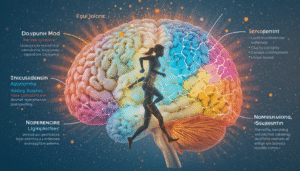
Sleep is a natural resting state that both the body and mind need. It helps you recover energy, store memories, and manage emotions in a healthy way. In simple words, sleep affects your health by keeping your whole body and brain strong. Sleep is not just resting — it is a daily need for good physical and mental health.
Functions of Sleep
-
Regulates Hormones
To begin with, sleep affects your health by controlling important hormones that manage hunger, metabolism, and stress. Consequently, when you don’t get enough sleep, these hormones become unbalanced and can make you feel tired, hungry, or stressed. -
Strengthens Memory and Focus
Next, sleep helps your brain work better. Sleep affects your health by improving memory, learning, problem-solving, and concentration. Without proper rest, your mind becomes slow, less alert, and it is harder to focus on daily tasks. -
Boosts the Immune System
In addition, sleep affects your health by making your immune system stronger. As a result, when you sleep well, your body can fight off colds, flu, and other infections more easily. -
Improves Emotional Balance
Finally, sleep also keeps your emotions stable. Sleep affects your health by helping you manage stress, stay calm, and feel more positive during hard days. Otherwise, lack of sleep can make small problems feel much bigger and harder to handle.



Impact of Lack of Sleep
Not getting enough sleep—whether for a short time or over the long term—can cause many harmful effects. These include:
- A weaker immune system
- A higher risk of accidents
- Slower reaction times
- Hormonal imbalances
- Increased inflammation
In addition, sleep-deprived people may experience microsleeps—very short, uncontrollable episodes of sleep that often happen while working or driving. These sudden “mini-naps” can be extremely dangerous and increase the risk of serious accidents.
How Much Sleep Is Necessary? (Sleep Affects Your Health)
The National Sleep Foundation gives clear recommendations on how much sleep different age groups need. Since Sleep Affects Your Health, getting the right amount of rest is very important for your body and mind.
Recommended Sleep Hours by Age:
- Newborns (0–3 months): 14–17 hours
- Infants (4–11 months): 12–15 hours
- Teens (14–17 years): 8–10 hours
- Adults (18–64 years): 7–9 hours
- Older Adults (65+ years): 7–8 hours
It’s also important to know that sleep quality matters as much as sleep hours. Even if you stay in bed for the right amount of time, poor or disturbed sleep can still make you feel tired, stressed, and unfocused. This clearly shows how strongly Sleep Affects Your Health, your energy, and your daily performance.

Understanding Circadian Rhythms
Your circadian rhythm is a natural 24-hour internal clock that helps guide your body’s sleep-wake cycle. It tells you when to feel awake and when to rest.
However, this rhythm can be disrupted by:
- Jet lag
- Night shift work
- Late-night screen time
When your circadian rhythm is disturbed, your hormone balance is affected, and your sleep becomes less refreshing. As a result, you may feel more tired, stressed, and unable to concentrate during the day.

How to Get a Better Night’s Sleep (Sleep Affects Your Health)
Getting good sleep doesn’t just happen by luck—Sleep Affects Your Health, so it’s something you can improve with a few simple habits. Let’s look at some easy and effective tips:
1. Create a Sleep-Friendly Space (Sleep Affects Your Health)
To begin with, make your bedroom a calm and cozy place because Sleep Affects Your Health in many ways. You can:
-
Use blackout curtains to keep the room dark.
-
Keep the temperature cool (around 18°C or 65°F).
-
Reduce noise and block out any extra light.
-
Use soft pillows and a comfortable mattress.
A peaceful environment helps you relax faster and sleep better, which shows how much Sleep Affects Your Health every day.
2. Limit Screen Time Before Bed – Sleep Tips
Next, remember that TVs, tablets, and phones give off blue light, which reduces melatonin—the hormone that helps you sleep. Therefore, it’s best to avoid screens at least one hour before bedtime so your body can relax naturally and enjoy better sleep.
3. Follow a Regular Sleep Schedule – Sleep Tips
In addition, try to go to bed and wake up at the same time every day, even on weekends. This simple routine trains your body’s internal clock and helps you enjoy deeper, more refreshing sleep.
4. Watch Your Diet and Exercise – Sleep Tips
Moreover, what you eat and drink also affects your rest. For better sleep:
-
Avoid coffee, tea, energy drinks, and heavy meals before bed.
-
Drink enough water during the day but reduce liquids at night.
-
Exercise regularly, but avoid hard workouts right before sleeping.
These habits support healthy sleep and improve your energy levels.
5. Practice Relaxation Techniques – Sleep Tips
Finally, relaxing your mind before bed helps you sleep faster and better. You can try calming activities such as:
-
Meditation
-
Deep breathing
-
Writing in a journal
-
Reading a simple book
These relaxation habits work together with your sleep routine to give you peaceful, high-quality rest.
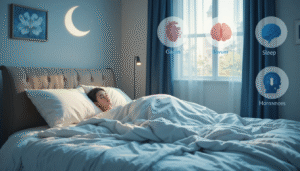
Particular Attention: Sleep Affects Your Health in Various Age Groups
1. Kids and Teens – Sleep Affects Your Health Strongly at a Young Age
First of all, children and teenagers need plenty of sleep for healthy growth, better learning, and emotional balance. When they don’t sleep well, it can affect their school performance, mood, behavior, and even physical development.
Therefore, it’s very important to set a consistent bedtime routine and limit the use of phones, tablets, or games before bed. Good sleep affects your health at this age by helping the brain grow, improving memory, and keeping energy levels stable.
2. Adults – How Sleep Affects Your Health in Daily Life
Next, many adults struggle with sleep because of work stress, family responsibilities, or constant use of technology. As a result, they feel tired, less focused, and more stressed during the day.
To improve rest, adults should practice self-care, manage stress wisely, and follow a balanced daily routine. Good-quality sleep affects your health by boosting energy, improving mood, and increasing productivity.
3. Elderly People – Sleep Affects Your Health in Older Age
Finally, older adults often face sleep challenges such as trouble falling asleep, waking up too often, or health conditions like sleep apnea or restless leg syndrome.
For this reason, following a proper daily routine, staying active during the day, and seeking medical help when needed can make sleep better. Good sleep affects your health by improving memory, reducing stress, and supporting heart and immune system function.

Health Issues Associated with Sleep — Sleep Affects Your Health
1. Sleep Apnea (Sleep Affects Your Health)
To begin with, sleep apnea is a serious sleeping problem where your breathing stops and starts again many times during the night. This condition is often linked to obesity and makes your body work harder. Because sleep affects your health, sleep apnea can increase the risk of high blood pressure, heart disease, and constant tiredness.
2. Lack of Sleep (Sleep Affects Your Health)
In addition, not getting enough sleep—also called chronic insomnia—can happen because of stress, worry, or poor sleep habits. Over time, lack of sleep affects your mood, energy, focus, and overall health. Since sleep affects your health directly, long-term sleep loss can increase the chances of anxiety, depression, and other health issues.
3. Restless Legs Syndrome (Sleep Affects Your Health)
Moreover, restless legs syndrome is a nerve-related condition that causes uncomfortable or painful sensations in the legs, especially at night. This makes it hard to fall asleep or stay asleep, which proves again that sleep affects your health and daily energy.
Important Note
Therefore, if you think you may have a sleep disorder or any sleep-related problem, it’s best to visit a sleep specialist. Early treatment can improve your rest, energy, and overall well-being because sleep affects your health more than most people realize.

The Long-Term Advantages of Getting Enough Sleep (Sleep Affects Your Health)
1. Better Physical and Mental Health
To start with, good sleep makes both your body and mind stronger. Sleep affects your health by helping you fight illnesses, lowering stress, and keeping your mood steady and positive.
2. Improved Memory and Thinking Skills
In addition, sleep makes your brain sharper. It improves memory, problem-solving, and focus. When you sleep well, it becomes easier to learn new things and make better decisions.
3. Balanced Hormones
Moreover, sleep affects your health by keeping your hormones balanced. This balance supports growth, controls appetite, and helps you stay emotionally calm and stable.
4. Lower Risk of Chronic Illnesses
Another key benefit is that getting enough sleep reduces the risk of serious health problems such as diabetes, heart disease, and obesity. This clearly shows how strongly sleep affects your health in the long run.
5. More Energy and Productivity
Furthermore, restful sleep gives you the energy you need to stay active and motivated. You perform better at school, work, or daily tasks when your body and mind are fully rested.
6. Happier Relationships
Lastly, when you are well-rested, you feel calmer and more patient. As a result, it becomes easier to maintain happy and healthy relationships with family and friends because sleep affects your health and emotional balance.

Leave a Reply