
Introduction
Meal planning is the process of planning and organizing your meals in advance. First of all, it can help you save time and money. In addition, it allows you to eat healthier by making better food choices. With just a little preparation, you can create healthy and delicious meals that not only satisfy your taste buds but also nourish your body. In this article, we will discuss the benefits of meal planning, explain how to create a meal plan, and share tips and ideas to make meal planning a success

Benefits of Meal Planning
1. Saves Time:
To begin with, meal planning saves you a lot of time during the week when you’re busy with work, school, or other activities. Because you plan ahead, you can quickly grab the ingredients you need and prepare a healthy meal. As a result, you spend less time thinking about what to cook. In fact, a survey by the American Heart Association shows that meal planning can save up to 30 minutes per day, which adds up to 2 hours and 30 minutes each week.
2. Saves Money:
Furthermore, meal planning helps you save money by reducing food waste and avoiding last-minute takeout or dining out. When you make a meal plan, you can also prepare a grocery list and stick to it. This way, you avoid impulse buys that increase your expenses. For example, a USDA study found that meal planning can save a family of four up to $1,500 per year.
3. Encourages Healthier Eating:
In addition, meal planning allows you to prepare balanced meals and snacks that provide the nutrients your body needs. This means that you won’t need to rely on fast food or processed snacks when you’re hungry. Moreover, according to the Academy of Nutrition and Dietetics, meal planning can help you meet your daily nutritional needs while also lowering the risk of chronic diseases.
4. Reduces Stress:
Finally, meal planning helps reduce stress and anxiety about what to cook for dinner. When you already have a plan, you feel more organized, confident, and in control in the kitchen. As evidence, a survey by the National Restaurant Association found that 60% of consumers say meal planning helps reduce stress.https://healthfitness.it.com/long-term-fitness-lifestyle/

How to Create a Meal Plan
Determine Your Dietary Goals:
To begin with, before creating a meal plan, identify your dietary goals. Do you want to lose weight, gain muscle, or simply eat healthier? Once you are clear about your goals, it becomes much easier to plan meals that support them. In addition, you can consult a registered dietitian or healthcare professional to better understand your nutritional needs.
Assess Your Schedule:
After that, take a close look at your weekly schedule, including work, school, and other commitments. By doing this, you can plan meals that truly fit your lifestyle. For example, if your weekdays are very busy, you might prepare meals in advance or focus on quick and easy recipes. On the other hand, if you have more free time on weekends, you can try cooking bigger meals that last for a few days.
More meal plan
. Plan Your Meals:
Next, plan your meals for the week, including breakfast, lunch, dinner, and snacks. While planning, keep in mind your goals, schedule, and favorite foods. At the same time, try to add variety so you don’t get bored. Moreover, you can make this step easier by using a meal planning app, a notebook, or even a calendar. As a result, you’ll stay organized and consistent.
Make a Grocery List:
Once your meals are planned, prepare a grocery list based on them. To make healthier choices, focus on whole foods like fruits, vegetables, lean proteins, and whole grains. At the same time, try to avoid too many packaged foods that are often high in sugar, salt, and unhealthy fats. In short, your grocery list is your guide, so stick to it and skip unnecessary items.
Shop Smart:
Finally, shop wisely to save both money and time. For instance, buy in bulk when possible, use coupons, and choose seasonal produce for better value. Additionally, you might visit your local farmers’ market or join a government-supported Agricultural Program (CSA) to get fresher, healthier, and more affordable food. In the end, smart shopping will make your meal plan more effective and budget-friendly.
Tips and Ideas for Meal Planning
Keep It Simple:
To begin with, don’t feel pressured to cook complicated meals every night. Instead, focus on simple dishes like grilled chicken or salmon with roasted vegetables, which are both healthy and tasty. Moreover, choosing meals that require fewer ingredients and less preparation time will save you energy during busy days. As a result, you’ll find meal planning easier to stick with in the long run.
. Use a Meal Planning App:
In addition, consider using a meal planning app such as Plan to Eat or Yummly. With these apps, you gain access to recipe ideas, nutritional details, and ready-to-use grocery lists. Furthermore, these tools make your planning more organized and efficient. Consequently, you’ll spend less time thinking about what to cook and more time enjoying your meals.
Involve the Family:
Another helpful tip is to involve your family in the meal planning process. This way, everyone feels included, and you can be sure that meals meet everyone’s needs. For example, you might let each family member pick one meal for the week. Therefore, meal planning becomes not just a task, but a shared activity that brings everyone together.
More tips
Be Flexible:
At the same time, remember to stay flexible. Since life is unpredictable, it’s completely fine to change your plan, swap meals, or skip a dish if necessary. In other words, don’t stress if things don’t go exactly as planned. Above all, meal planning is meant to make life simpler, not more stressful.https://amzn.to/48lD0oq
Make Use of Leftovers:
Finally, don’t forget about leftovers. In fact, they can save you valuable time, reduce food waste, and even help stretch your budget. For instance, extra roasted chicken from dinner can easily turn into a salad, wrap, or sandwich the next day. All in all, using leftovers is a smart, practical way to make meal planning more effective.
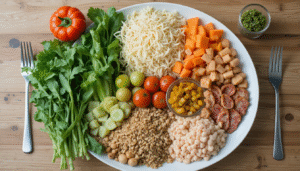
Meal Planning Ideas
1. Breakfast Ideas:
To start your day right, you can try simple yet nutritious options such as overnight oats, avocado toast, Greek yogurt with berries, or colorful smoothie bowls. Not only are these meals quick to prepare, but they also give you the energy to stay active throughout the morning.
2. Lunch Ideas:
Moving on to lunch, consider meals that are light yet filling. For example, grilled chicken salads, whole grain wraps with lean protein, or a classic soup and salad combo work well. Additionally, quinoa bowls can provide a wholesome, balanced option that keeps you energized during the day.
3. Dinner Ideas:
When it comes to dinner, focus on meals that are both hearty and healthy. Options like grilled chicken or salmon with roasted vegetables are satisfying and nutrient-rich. Alternatively, you could try stir-fries with lean protein and mixed vegetables for variety. In addition, lentil soup or quinoa and black bean bowls are excellent plant-based choices that are full of flavor.
4. Snack Ideas:
Finally, don’t forget about snacks, as they play a big role in keeping your energy levels stable. Fresh fruit makes a refreshing choice, while nuts and seeds offer healthy fats and protein. Moreover, energy balls are a great grab-and-go snack, and hummus with vegetables provides both crunch and nourishment.
Conclusion
Meal planning is a powerful tool that can help you save time and money and eat healthier. By determining your dietary goals, assessing your schedule, planning your meals, making a grocery list, and shopping smart, you can create a meal plan that works for you. Don’t be afraid to keep it simple, use a meal planning app, involve the family, be flexible, and use leftovers. With a little planning, you can create healthy and delicious meals that will nourish your body and satisfy your taste buds.
Final Tips
1. Start Small: Start with a small meal plan and gradually increase the number of meals you plan.
2. Be Patient: Be patient with yourself as you develop your meal planning skills.
3. Have Fun: Have fun with meal planning and try new recipes and ingredients.
4. Seek Support: Seek support from family, friends, or a registered dietitian if you need help with meal planning.
By following these tips and ideas, you can create a meal plan that helps you achieve your dietary goals and improve your overall health and well-being. Happy meal planning!
Leave a Reply