
Introduction
The process of organizing and planning your meals is called food planning. First, it can help you Eat Healthier while also saving time and money. With a little preparation, you can make tasty and nutritious meals that not only satisfy your taste buds but also fuel your body. In this post, we will explore the benefits of meal planning, explain how to create a meal plan, and share useful tips and suggestions for successful meal planning.
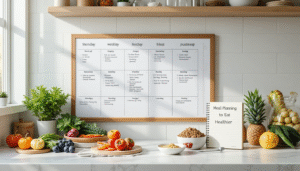
The Advantages of Meal Planning to Eat Healthier
Meal planning is one of the simplest ways to Eat Healthier, save time, and stay organized throughout the week. Whether you are a student, a working parent, or someone trying to improve your lifestyle, planning your meals can make everyday life easier. By preparing in advance, you can enjoy tasty, nutritious meals that support your health, energy, and overall well-being. In this article, we will not only explore the top benefits of meal planning but also explain how to create a meal plan step-by-step and share ideas to help you succeed.
1. Saves Time and Helps You Eat Healthier
First, meal planning can save a significant amount of time during your busy routines. When you decide what to cook in advance, you eliminate the daily confusion of “What should I eat today?” You also save extra trips to the store.
Research from the American Heart Association shows that meal planning can save up to 30 minutes a day, which is 2 hours and 30 minutes a week. That time can be used for exercise, hobbies, or simply relaxing.
Planning ahead also supports your goal to Eat Healthier, because you already know what ingredients and recipes you will use. Instead of grabbing something unhealthy on the go, you can prepare balanced meals that fit your needs.
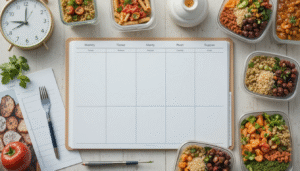
2. Saves Money and Encourages You to Eat Healthier Foods
Next, meal planning is a smart financial habit. When you shop with a plan, you buy only what you need. As a result, this helps you avoid unnecessary snacks, drinks, or takeout meals.
In fact, the USDA reports that a family of four can save up to $1,500 per year just by meal planning. That’s a big saving for something so simple.
Moreover, when you plan your meals, you naturally choose healthier options—like fruits, vegetables, whole grains, and lean proteins. This way, it becomes easier to Eat Healthier without overspending.
3. Helps You Eat Healthier Every Day
One of the biggest advantages of meal planning is that it helps you Eat Healthier consistently. When meals are planned, you’re more likely to choose nutritious foods instead of fast food or processed snacks. You can include a variety of food groups such as:
- Whole grains
- Fresh vegetables
- Lean meats
- Healthy fats
- High-fiber foods
According to the Academy of Nutrition and Dietetics, meal planning makes it easier to meet your daily nutrient requirements and reduces the risk of chronic diseases.
4. Reduces Stress and Builds Confidence in the Kitchen
Finally, meal planning reduces stress. When you already know what’s for breakfast, lunch, or dinner, cooking becomes much easier. You also feel more confident and relaxed because you are prepared.
Instead of rushing, guessing, or worrying, you can enjoy the cooking process. Over time, this builds better habits and helps you Eat Healthier without feeling overwhelmed.
How to Plan Your Meals to Eat Healthier
Meal planning does not have to be complicated. In fact, with a simple step-by-step method, anyone can learn to plan meals effectively and Eat Healthier every day.
1. Set Your Goals for Eating Healthier
To begin with, decide what you want from your meals. Before you start planning, ask yourself if you want to:
-
Eat Healthier
-
Lose weight
-
Gain muscle
-
Save money
-
Improve digestion
Once your goals are clear, it becomes much easier to choose meals and ingredients that support your lifestyle and health needs.
2. Look at Your Weekly Schedule
Next, take a close look at your weekly routine. Think about:
-
Work timings
-
School hours
-
Gym or exercise sessions
-
Family responsibilities
By understanding your schedule, you can plan meals that are realistic, simple, and easy to prepare. This step ensures you stay consistent and continue to Eat Healthier without feeling overwhelmed.
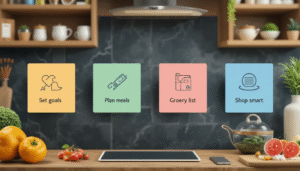
3. Plan Your Meals for the Week to Eat Healthier
After that, begin writing your weekly meal plan. Make sure to include:
-
Breakfast
-
Lunch
-
Dinner
-
Snacks
Choose recipes that match your goals and your personal preferences. Moreover, add nutrient-rich foods like oats, eggs, lentils, vegetables, and lean meats to help you Eat Healthier throughout the week.
4. Make a Grocery List
Then, create a well-organized grocery list. This simple step can save time, money, and stress. Write down everything you need, such as:
-
Seasonal fruits
-
Fresh vegetables
-
Whole grains
-
Lean proteins
-
Healthy snacks
This organized approach keeps you focused and strongly supports your goal to Eat Healthier.
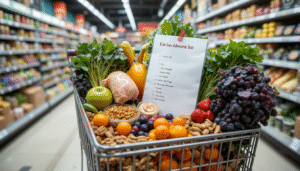
5. Shop Smart for Healthier Choices
Finally, shop wisely to make healthier choices easier. Try to:
-
Buy in bulk when possible
-
Use coupons
-
Choose seasonal produce
-
Avoid shopping when hungry
-
Compare prices
As a result, smart shopping keeps you healthy while helping you stay within your budget.
Meal Planning Advice and Ideas to Eat Healthier
To make your meal planning journey smoother and help you Eat Healthier, follow these helpful tips:https://amzn.to/4ofADZk
1. Keep It Simple
First of all, you don’t need fancy or complicated recipes to Eat Healthier. Simple meals like grilled chicken, stir-fried vegetables, or lentil soup are easy to make, quick to prepare, and packed with nutrients.
2. Try a Meal Planning App
Next, consider using a meal planning app. Apps like Yummly or Plan to Eat make the process more fun and organized. Additionally, they help you save recipes, schedule meals, and create ready-to-use shopping lists.
3. Involve Your Family
Then, try involving your family in the planning process. When everyone shares their ideas, meal planning becomes smoother and more enjoyable. Moreover, kids feel more excited about meals when they get to choose one themselves.
4. Be Flexible and Don’t Stress
After that, remember to stay flexible. Life can get busy and unpredictable, so it’s completely fine if you need to change a meal or swap recipes. In fact, this flexibility keeps planning realistic and stress-free.
5. Use Leftovers to Save Time and Eat Healthier
Finally, make smart use of leftovers. They can be turned into:
-
Next day’s lunch
-
Quick snacks
-
New dishes like wraps or salads
As a result, you reduce food waste, save time, and continue to Eat Healthier without extra effort.
Ideas for Meal Planning to Eat Healthier
Here are some simple and effective ideas for each meal of the day to help you Eat Healthier and stay energized.
Breakfast Ideas
To begin with, choose breakfasts that are quick, nourishing, and easy to prepare, such as:
-
Overnight oats
-
Whole-grain toast with avocado
-
Greek yogurt with berries
-
Smoothie bowls
-
Boiled eggs with fruit
Moreover, these breakfast options keep you full for longer and give you steady energy throughout the day.

Lunch Suggestions
Next, focus on lunches that are balanced and satisfying. Some healthy choices include:
-
Grilled chicken salads
-
Quinoa and black bean bowls
-
Lentil soups
-
Veggie wraps
-
Tuna sandwiches on whole-grain bread
Additionally, preparing lunch ahead of time makes your day smoother and helps you Eat Healthier even on busy schedules.

Dinner Inspiration
Then, plan dinners that are simple, nutritious, and easy to cook:
-
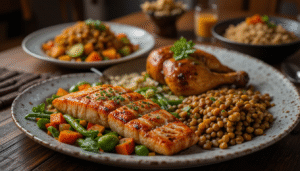
Grilled salmon with steamed vegetables
-
Stir-fried vegetables with tofu
-
Roasted chicken and sweet potatoes
-
Lentil curry with brown rice
-
Vegetable pasta with olive oil
Furthermore, balanced dinners help you stay full, sleep better, and improve your overall health.
Healthy Snack Ideas
Finally, include smart snacks in your plan to avoid overeating later. Try:
-
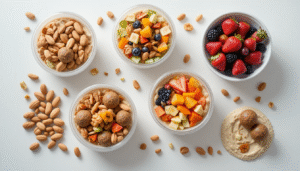
Fresh fruits
-
Nuts and seeds
-
Hummus with veggies
-
Low-fat yogurt
-
Homemade energy balls
In addition, healthy snacks support steady energy levels and help you Eat Healthier throughout the day.
Conclusion: Meal Planning Helps You Eat Healthier and Live Better
In conclusion, meal planning is one of the most effective and practical ways to Eat Healthier, save time, and save money. To begin with, start by setting simple goals that match your lifestyle. Then, take a look at your weekly routine so you can plan meals that are realistic and easy to follow. After that, create a weekly meal plan and shop smartly to avoid waste and overspending.
Moreover, keep your meals simple, use leftovers wisely, involve your family in decisions, and stay flexible when plans change. Ultimately, with just a little effort and consistency, you can prepare meals that nourish your body, support your goals, and fit perfectly into your everyday life.
https://healthfitness.it.com/long-term-fitness-lifestyle/
Final Tips to Eat Healthier with Meal Planning
-
Start Small
First of all, begin by planning just 2–3 meals a week. This small start makes the process easier and helps you build confidence. Gradually, you can increase the number of meals as you get more comfortable with planning ahead and choosing foods that help you Eat Healthier. -
Be Patient
Next, remember that new habits take time. As you learn what works best for you, be patient and gentle with yourself. Over time, these small steps will make it much easier to Eat Healthier every day. -
Make It Fun
Then, try to make the meal-planning process enjoyable. For example, experiment with new recipes, explore different spices, or try colorful ingredients. When cooking feels fun, it becomes easier to stay consistent and Eat Healthier without stress. -
Seek Support
Finally, don’t hesitate to ask for help. Whether it’s family, friends, or even a nutritionist, having support can make your journey smoother. With the right guidance and encouragement, you stay motivated to plan better meals and Eat Healthier in the long run.

Leave a Reply