
Build a Simple and Easy Fitness Lifestyle for Everyday Health
Staying healthy is not about quick fixes. It is about creating a simple and enjoyable fitness lifestyle that you can follow every day. Adding small, easy habits to your routine makes it much easier to stay active and take care of your body. For example, a short walk, light stretching, or a few minutes of deep breathing can slowly build your strength and energy. Over time, these little actions make healthy living feel natural and stress-free. You stay consistent without feeling pressure, and your body and mind grow stronger every day

1.Why Most Fitness Plans Fail to Deliver Results in Your Fitness Lifestyle
Most people feel excited and motivated when they start their fitness journey. At first, they may join a gym, buy new equipment, or begin a strict routine. However, after some time, motivation fades, and many quit. So, what causes this sudden drop?
Here are the most common reasons:
-
Unrealistic goals — people expect fast results, which often leads to disappointment.
-
All-or-nothing mindset — missing one workout feels like failure, so many stop completely.
-
Lack of long-term vision — focusing on quick weight loss instead of a sustainable fitness style leads to short success that doesn’t last.
-
Ignoring recovery — overtraining causes burnout and injuries, which slows progress.
-
Poor nutrition — eating too little or cutting full food groups weakens the body.
Understanding these common pitfalls helps you design a fitness plan that actually works and lasts.
The biggest missing piece is sustainability. When your plan includes balance, recovery, and proper eating, fitness becomes a lifestyle, not a short-term fight.

2. Build a Sustainable Fitness Lifestyle
fitness lifestyle means building habits you can follow not just for a few weeks, but for many years. It involves choosing actions that fit your daily life and feel comfortable, not forced.
This includes:
-
Regular, enjoyable movement — workouts that you actually like, so you stay active without stress.
-
Healthy eating that feels good — meals that give you energy and taste good, instead of strict or confusing diets.
-
Proper sleep — resting your body helps you stay fresh, strong, and focused.
-
Managing stress — using simple tools like deep breathing, stretching, or short breaks.
-
Adjusting routines with life changes — your needs and schedule can change, and your fitness plan should adapt with them.
A sustainable approach takes care of your body and mind. It helps you avoid burnout and stay motivated. As a result, you remain consistent, feel confident, and continue growing stronger day by day.
This long-term mindset makes fitness easier to enjoy. When your habits are simple and realistic, staying healthy becomes a natural part of your life — not a struggle.
Establish Personal, Realistic Fitness Goals for Your Fitness Lifestyle
Forget the perfect bodies you see online. Those images are often filtered or unrealistic. Instead, focus on goals that match your lifestyle, your body, and your personality. You stay motivated without comparing yourself to others.
1. Define Your “Why”
Ask yourself why you want to be fit.
-
Do you want more energy?
-
Do you want to feel confident?
-
can you want better health?
A strong “why” acts like your inner fuel. When things get tough, remembering your reason helps you stay on track.
2. Use SMART Goals
Try setting SMART goals. This method makes your plan simple and clear:
-
Specific — know exactly what you want to achieve.
-
Measurable — track your progress so you can see improvements.
-
Achievable — choose goals that are realistic for your current lifestyle.
-
Relevant — make sure your goal supports your main purpose.
-
Time-bound — set a deadline to keep yourself focused.
SMART goals stop you from feeling lost or overwhelmed. They give you a clear direction.
Your fitness journey becomes smoother, easier, and more enjoyable. Step by step, every small win pushes you forward.

Keep Moving Your Body Regularly for Fitness
Fitness is not only about heavy gym workouts or long exercise sessions. Instead, focus on movement you actually enjoy. When you like what you do, staying active becomes natural and stress-free. As a result, your fitness routine becomes something you look forward to, not something you avoid.
Here are simple ways to keep your body moving:
-
Strength Training — helps you build muscle, improve posture, and boost metabolism.
-
Cardio — also improves heart health and gives you more energy for daily tasks.
-
Stretching — keeps your body flexible, reduces stiffness, and prevents injuries.
-
Daily Movement — simple actions like walking, using stairs, cleaning, or playing with kids count too.
Moreover, mixing these activities gives your body everything it needs. You get stronger, move better, and feel more alive. In addition, regular movement lifts your mood, reduces stress, and supports long-term health.
Remember: consistency matters more than perfection. Even small steps add up when you keep moving every day.https://amzn.to/49QqMp1
5. Eat for Energy: Nutrition Tips for Fitness
Good nutrition is an essential part of any fitness journey. When you eat the right foods, your body feels stronger, works better, and stays active throughout the day. In other words, the goal is not to eat less — the goal is to eat in a way that supports your health.
Here are a few easy habits to follow:
-
Balanced meals — include protein, healthy carbs, and good fats so your body gets everything it needs.
-
Proper portions — eat enough to feel satisfied, not stuffed or hungry.
-
Enough water — staying hydrated keeps your mind clear and your body fresh.
-
Mindful eating — slow down, enjoy your food, and listen to your hunger signals.
Consequently, when you eat for energy, you avoid low moods, tiredness, and cravings. As a result, your body stays steady, and your workouts feel easier. Therefore, you stay active, focused, and fully fueled for your daily routine without feeling weak or restricted.

6. Rest and Sleep for Better Fitness and Recovery
Your body becomes stronger during rest, not during workouts. While exercise breaks your muscles down, rest helps them heal and grow. That’s why taking care of your sleep and recovery is as important as training.
Here are a few simple habits to follow:
-
Get 7–9 hours of sleep — this allows your body enough time to repair, recharge, and reset for the next day.
-
Do light recovery activities — for example, gentle stretching, walking, or deep breathing help your body relax without pressure.
-
Manage stress daily — reducing stress keeps your mind calm and improves sleep quality.
When you rest properly, your mood improves, focus becomes sharper, and workouts feel easier. In addition, your body works more efficiently, and you avoid burnout.
As a result, you feel fresh, energetic, and consistent — ready to stay on track with your fitness goals.
7. Create a Supportive Fitness Environment
Your surroundings have a bigger impact on your fitness habits than you might think. A supportive environment makes healthy choices easier and helps you stay consistent.
-
Workout partner — having someone to exercise with keeps you motivated and accountable.
-
Community classes — joining group activities adds fun, structure, and social support.
-
Fitness apps — track progress, set reminders, and stay informed about your workouts.
-
Supportive family and friends — encourage your healthy lifestyle and celebrate small wins with you.
Therefore, your environment should make healthy choices simpler and more natural. By surrounding yourself with support, staying on track becomes easier and more enjoyable.

Establish Durable Fitness Routines for a Long-Lasting Fitness Lifestyle
Motivation comes and goes, but strong habits last. This is why building routines is more important than relying on willpower alone. When healthy actions become part of your daily life, staying fit becomes easier and more natural.
-
Start small: Begin with easy, simple steps you can do every day. Small wins build confidence and make bigger changes feel achievable.
-
Stack habits: Attach a new habit to something you already do. For example, stretch right after brushing your teeth or take a short walk after lunch.
-
Use triggers and reminders: Visual cues, alarms, or notes can help you remember and stick to your routines.
-
Reward yourself: Celebrate progress, even small successes. Rewards reinforce habits and keep you motivated.
Taking small, steady steps creates lasting change. Over time, these routines become automatic, allowing you to maintain a healthy lifestyle without stress or struggle.
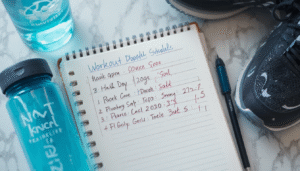
9. Monitor Your Fitness Progress Without Obsessing in Your Fitness Lifestyle
Keeping track of your progress can help you stay motivated, but it is important not to worry too much about numbers. Fitness is about feeling stronger, healthier, and having more energy — not just seeing changes on a scale.
Track performance, not just weight — notice improvements in strength, endurance, or flexibility instead of only pounds lost.
Check your energy levels — feeling more active and alert during the day shows real progress.
Look at measurements and clothes fit — your body can change even if the scale doesn’t move.
Take photos — comparing pictures over time can help you see small improvements.
Progress is rarely straight. Some days may feel easier, and others harder, but regular effort always pays off in the long run.
Fitness Success: It’s All About Your Mindset for Your Fitness Lifestyle
Your mindset is the foundation of a fitness lifestyle that lasts. How you think about your journey affects your consistency, motivation, and overall experience.
-
Let go of perfection: You don’t need to do everything perfectly. Small, consistent efforts matter more than flawless routines.
-
Learn from mistakes: Treat setbacks as lessons, not failures. Each mistake is a chance to improve.
-
Replace negative self-talk: Encourage yourself with positive words instead of criticizing. Your inner voice shapes your actions.
-
Celebrate non-scale victories: Notice improvements like better stamina, mood, strength, or flexibility, not just changes on the scale.
A positive mindset makes your fitness journey enjoyable, stress-free, and sustainable. It keeps you motivated and makes healthy habits feel natural rather than forced.
Change and Progress in Your Fitness Lifestyle Journey
Life is always changing, and your fitness routine should be flexible enough to adapt. Sticking to the same plan without adjustment can lead to frustration or burnout.
-
Busy days: Shorten your workouts or focus on quick, effective exercises. Even 10–15 minutes counts.
-
Injuries or limitations: Choose low-impact activities like walking, swimming, or gentle stretching to stay active safely.
-
New goals or interests: Try different workouts or sports to keep your routine fresh and enjoyable.
Flexibility is key to staying consistent. Adjusting your fitness plan to fit your life allows progress to continue without stress, and healthy habits become easier to maintain long-term.
In Conclusion
Being fit is not something you can do in 30 days. It is a lifelong journey that grows with you. You don’t need to be perfect; steady and regular effort is enough. Following a simple and healthy fitness lifestyle keeps you strong, confident, and healthy at every stage of life. This way of living helps you manage stress, gives you more energy, and keeps your mind clear.
Put on your shoes, drink some water, and take a deep breath. Then take your first step today. Small actions, done every day, lead to big changes over time. Your future self will thank you for choosing a healthier and happier life.
https://healthfitness.it.com/health-and-fitness-a-complete-guide-to-living-a-healthy-life/

Leave a Reply