
Introduction
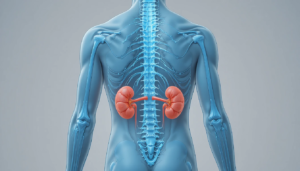
Kidney Disease Symptoms are important to understand because your kidneys play a big role in keeping you healthy. Your kidneys are two small but powerful organs that sit on each side of your lower back. Even though they are small, they clean your blood, remove extra water and waste, balance minerals, and help control your blood pressure. They also help keep your bones strong and support red blood cell production.
However, when your kidneys stop working properly, this condition is called kidney disease. In the beginning, kidney disease often grows slowly, so many people do not notice the early warning signs. Because of this, it is sometimes called a “silent killer.”
Therefore, it is very important to understand Kidney Disease Symptoms in both men and women. When you know the signs early, you can visit a doctor, get treatment, and protect your kidney health before the problem becomes serious.
In this simple guide, we will explain everything in easy words so everyone can clearly understand kidney disease symptoms and their importance.
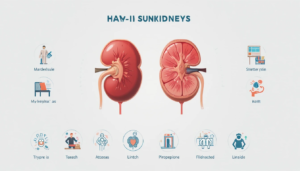
What Do the Kidneys Really Do?
Before we talk about kidney disease symptoms, let’s first understand how the kidneys work. This will make everything easier to understand.
Your kidneys have many important jobs. They:
-
Filter waste and toxins from the blood
-
Remove extra water and make urine
-
Control minerals like sodium, calcium, and potassium
-
Balance body fluids in the body
-
Help control blood pressure
-
Help the body make red blood cells
-
Keep your bones strong
So, when the kidneys do not work properly, these jobs are not done well. As a result, different symptoms start to appear in the body.
Why Kidney Disease Is Dangerous
Kidney disease is dangerous for many reasons.
First, it usually starts slowly. People often do not feel anything in the beginning.
Next, the symptoms appear very late. So, many people find out when the disease has already become serious.
Also, kidney damage cannot always be fixed. Once the kidneys are badly harmed, they may not get better again.
However, there is some good news. Early treatment can slow down the disease or even stop it from getting worse. That is why knowing the kidney disease symptoms in men and women is very important. When you know the signs early, you can get help on time.
Types of Kidney Disease
There are two main types of kidney disease.
Acute Kidney Disease
First of all, acute kidney disease happens suddenly. For example, it can appear after:
-
Severe dehydration (not enough water in the body)
-
A serious infection
-
Injury to the body
-
Certain medicines
The good news is that acute kidney disease can improve with fast treatment. Therefore, early care is very important to protect the kidneys and prevent further problems.
Chronic Kidney Disease (CKD)
On the other hand, chronic kidney disease develops slowly over months or even years. Unfortunately, it is usually permanent. Moreover, diabetes and high blood pressure are the main causes of this type of kidney disease.
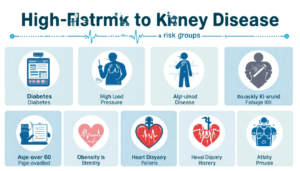
Who Is at Higher Risk of Kidney Disease?
Certain people have a higher chance of developing kidney disease. For instance, the risk is higher in those who have diabetes or high blood pressure. Being overweight can also increase the risk. Smoking harms the kidneys as well. People with heart disease or a family history of kidney problems should also be careful. In addition, adults over the age of 60 have a greater chance of developing kidney disease.
Therefore, if you belong to any of these groups, it is important to stay alert. Regular health check-ups and a healthy lifestyle can help lower your risk and protect your kidneys.
General Kidney Disease Symptoms (Same in Men and Women)
Now, let’s look at common kidney disease symptoms that can affect both men and women. Keep in mind that these symptoms may appear slowly. Therefore, it is important to always pay attention to changes in your body.
1. Swelling in the Body
First of all, swelling is a very common symptom of kidney disease. This occurs because the kidneys are unable to remove extra fluid from the body.
You may notice swelling in:
- Feet
- Ankles
- Legs
- Hands
- Face
- Around the eyes
In addition, sometimes swelling can be worse in the morning.
2. Changes in Urination
Since the kidneys produce urine, any changes in urination can be an important sign of kidney disease. For instance, you may notice:
- Peeing more often at night
- Peeing less than usual
- Dark or foamy urine
- A burning sensation while urinating
- Blood in the urine
- Feeling pressure while urinating
Moreover, some people may feel that their bladder is not fully empty. These changes should not be ignored, as they may indicate that the kidneys are not working properly.
3. Feeling Very Tired
Next, feeling tired is a very common symptom of kidney disease. When the kidneys are not working properly, waste builds up in the blood. As a result, you may feel weak, sluggish, and sleepy.
In some cases, this tiredness can become so severe that even daily tasks feel difficult to manage.
4. Trouble Sleeping
Another common symptom of kidney disease is trouble sleeping. When waste builds up in the blood, it can make sleep restless and uncomfortable.
In addition, some people may experience restless legs while trying to sleep, which further disrupts their rest.
5. Dry and Itchy Skin
Kidney disease can also affect your skin. For example, you may notice:
- Dry skin
- Itching
- Rough patches
This happens because the kidneys are not able to balance minerals and nutrients properly in the body. As a result, skin problems can develop and may become uncomfortable if not addressed.
6. Muscle Cramps
Another sign of kidney disease is muscle cramps, especially in the legs or other parts of the body. This happens because the kidneys are not able to keep minerals balanced in the body.
As a result, muscles may feel tight, sore, or may suddenly cramp. Paying attention to these cramps can help you notice kidney problems early.
7. Back or Side Pain
Another symptom of kidney disease is pain in the back or sides. For example, some people may feel discomfort:
- In the lower back
- Under the ribs
- On the sides of the body
This pain can be mild at first, but in some cases, it may become stronger. Paying attention to this symptom can help detect kidney problems earl
8. Loss of Appetite & Nausea
Another common symptom of kidney disease is a loss of appetite. This happens because toxins build up in the blood. As a result, you may:
- Lose your appetite
- Feel full quickly
- Feel nauseous or even vomit
These changes in eating habits can make it harder to stay healthy, so it’s important to notice them early.
9. Shortness of Breath
Shortness of breath can also be a symptom of kidney disease. This may happen for a couple of reasons:
- Extra fluid can build up in the lungs
- The blood becomes weak and carries less oxygen
As a result, even small activities may feel tiring, and you may notice difficulty breathing. Paying attention to this symptom can help detect kidney problems early.
10. High Blood Pressure
Finally, high blood pressure is closely linked to kidney disease. In fact, it can be both a cause and a symptom. When the kidneys are not working properly, they may not control blood pressure well, which can make it rise.
As a result, monitoring your blood pressure is very important for preventing or managing kidney problems.
Kidney Disease Symptoms in Men
Now, let’s look at kidney disease symptoms that are common in men. Men may notice:
- Strong tiredness
- Swelling in the legs and ankles
- Back pain
- Trouble focusing
- Muscle weakness
In addition, some men may experience sexual health problems, such as erectile difficulties. This happens because kidney disease can affect:
- Blood flow
- Hormones
- Energy levels
Therefore, if a man notices sudden sexual changes along with tiredness or swelling, it is important to talk to a doctor promptly. Early detection can help manage kidney problems effectively.
Kidney Disease Symptoms in Women
Next, let’s look at kidney disease symptoms that women may notice. These can include:
- Swollen hands, feet, or face
- More frequent urinary infections
- Hair loss or weak hair
- Dry skin
- Lower back pain
In addition, some women may experience irregular periods because kidney disease can affect hormone levels.
However, many women may think these changes are normal or caused by stress. Nevertheless, if these symptoms continue, it is important to get checked by a doctor. Early detection can help prevent further kidney problems.
Early vs. Late Kidney Disease Symptoms
Early Symptoms
Early symptoms of kidney disease are usually mild and easy to miss. For example, you may notice:
- Slight swelling
- Mild tiredness
- Small changes in urination
Because these symptoms are subtle, many people ignore them. However, noticing them early is important, as it allows treatment to start before the disease worsens.
Late Symptoms
However, in the late stages of kidney disease, symptoms become much more serious. These may include:
- Severe swelling
- Trouble breathing
- Memory problems
- Muscle twitching
- Severe nausea
- A metallic taste in the mouth
- Confusion
At this stage, urgent medical treatment is needed to manage the disease and prevent further complications.
Why Do These Symptoms Happen?
These symptoms of kidney disease occur for several reasons:
- Waste products stay in the blood
- Extra fluid builds up in the body
- Hormone levels change
- Blood pressure rises
- Bones become weak
As a result, kidney disease affects the whole body, not just the kidneys. This is why it is important to notice symptoms early and get proper care.
When Should You See a Doctor?
You should see a doctor immediately if you notice any signs of kidney disease, such as:
- Swelling that keeps coming back
- Changes in urination
- Constant tiredness
- Back or side pain
- Blood in urine
- High blood pressure
Early treatment is very important, as it helps protect your kidneys and prevents the disease from getting worse.
How Doctors Test for Kidney Disease
To check for kidney disease, doctors may perform several tests, including:
- Blood tests (such as Creatinine and GFR)
- Urine tests
- Blood pressure measurement
- Ultrasound or other scans
These tests help doctors see how well your kidneys are working and detect any early signs of kidney disease. Early testing can make a big difference in managing the condition.
Easy Tips to Protect Your Kidneys
Here are some simple daily tips to help prevent kidney disease and keep your kidneys healthy:
- First, drink enough water every day
- Next, eat less salt in your meals
- Also, keep your blood sugar under control
- Try to maintain a healthy weight
- Avoid smoking
- Limit the use of painkillers
- Stay active with regular exercise
- Lastly, do regular health checkups
In addition, always treat urinary infections quickly. Ignoring them can harm your kidneys over time and increase the risk of kidney disease.
Kidney-Friendly Foods
Eating the right foods can help protect your kidneys and lower the risk of kidney disease. Good choices include:
- Fresh fruits
- Vegetables
- Whole grains
- Lean protein (like fish or skinless chicken)
- Herbal teas
In addition, try to avoid too much salt, junk food, and sugary drinks.
However, if someone already has serious kidney disease, they may need a special diet. That’s why it is always important to follow your doctor’s advice before making big diet changes.
Emotional Side of Kidney Disease
Kidney disease does not only affect the body — it also affects emotions and daily life. People may feel worried, sad, or less confident. Sometimes it becomes harder to focus, work, or enjoy normal activities.
Support from family and friends is very important because it helps reduce stress and makes the journey easier. Talking to a doctor or counselor can also help people cope with the emotional side of kidney disease.
Final Thoughts
In conclusion, kidney disease symptoms in men and women may look slightly different, but both should always be taken seriously. At first, the symptoms may seem small, such as tiredness, swelling, or changes in urination. However, when these problems continue, they may be early signs of kidney disease.
Always listen to your body and get medical advice if something does not feel right. Early care can protect your kidneys and support your overall health.https://healthfitness.it.com/latest-cancer-treatment-methods-you-should-know-about/
Leave a Reply