
Introduction
First of all, a heart attack is one of the leading causes of death worldwide. It happens when blood flow to the heart is blocked, which can damage the heart muscles. Therefore, knowing the early signs of heart attack is very important because taking action quickly can save lives.
Also, recognizing the warning signs helps you seek medical help on time and protect your heart. In this blog, we will explain the common symptoms, risk factors, prevention tips, and when to take emergency action. By reading this guide, you will learn how to stay aware and keep your heart healthy.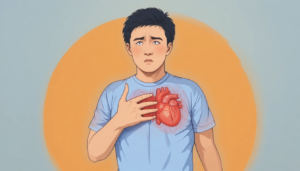
1. What is a Heart Attack?
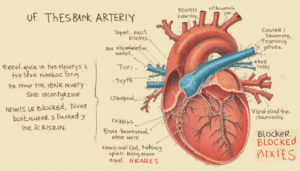
First of all, a heart attack, also called a myocardial infarction, happens when blood cannot reach part of the heart. This usually happens because fat and cholesterol build up in the arteries, forming plaques. Then, if these plaques break, a blood clot can block blood flow to the heart. As a result, the heart muscle can get damaged, and the person may feel pain, pressure, or discomfort.
Also, anyone can have a heart attack. However, people with high blood pressure, diabetes, or high cholesterol have a higher risk. Therefore, knowing the early signs of heart attack is very important. By noticing them early, you can get help quickly and protect your heart from serious damage.
2. Common Causes of Heart Attack
Next, understanding what causes a heart attack can help in prevention. The most common causes include:
- High Blood Pressure: Puts extra strain on the heart and arteries.
- High Cholesterol: Leads to plaque buildup in arteries.
- Smoking: Damages blood vessels and reduces oxygen in the blood.
- Diabetes: Increases the risk of artery damage.
- Obesity: Extra weight puts pressure on the heart.
- Stress and Sedentary Lifestyle: Chronic stress and lack of physical activity increase heart risk.
Another cause is family history. If close family members have had heart attacks, the risk may be higher.
3. Early Signs of Heart Attack
Knowing the early signs of heart attack can save lives. Look out for these common symptoms:
Chest Pain or Discomfort
One of the most common early signs of a heart attack is chest pain or discomfort. It may feel like pressure, squeezing, fullness, or heaviness in the chest. Sometimes, the pain comes and goes, or it may be mild at first. Paying attention to even slight discomfort can help you act quickly and prevent serious damage.
Shortness of Breath
Feeling short of breath, even while resting or doing light activities, can be an early warning sign of a heart attack. You may notice it comes suddenly or worsens with slight exertion. If this happens along with other symptoms, it is important to seek medical help immediately.
Pain in Other Parts of the Body
Sometimes, heart attack pain is not just in the chest. It can spread to the arms, neck, jaw, back, or stomach. Many people mistake this pain for muscle strain, indigestion, or other minor issues. Recognizing these signals as possible warning signs is important for early action.
Nausea or Vomiting
Feeling nauseous or vomiting can be an early sign of a heart attack, especially in women. Sometimes these symptoms appear without chest pain, making them easy to ignore. If nausea or vomiting occurs along with other warning signs, it’s important to seek medical attention immediately.
Cold Sweat
Breaking out in a sudden cold sweat without any physical activity can be a warning sign of a heart attack. This type of sweating often comes with other symptoms like chest pain, nausea, or shortness of breath. Paying attention to this signal can help you act quickly and get medical help in time.
Fatigue and Dizziness
Feeling very tired or dizzy for no clear reason can be an early sign of a heart attack. This happens because less blood is reaching the heart, which affects your energy and balance. If these symptoms come with chest pain or shortness of breath, it is important to get medical help right away.
Also, some people may feel an irregular heartbeat, palpitations, or a strange sense of worry. Noticing these signs early can help you act quickly and protect your heart.
4. Silent Heart Attacks
Moreover, some heart attacks are known as silent heart attacks, where the early signs of heart attack are very mild or unusual. Unlike typical heart attacks, these may not include severe chest pain. Instead, people may experience fatigue, mild discomfort, shortness of breath, or light pressure in the chest. Because the symptoms are subtle, many people do not realize they are having a heart problem.
In addition, silent heart attacks are more common among older adults, women, and people with diabetes. Women, in particular, may feel unusual symptoms such as nausea, dizziness, or jaw pain instead of classic chest pain.
Therefore, it is crucial to pay attention to your body and notice even small changes. Regular health check-ups, monitoring blood pressure and cholesterol, and understanding your personal risk factors can help detect silent heart attacks early. By staying aware and informed, you can protect your heart and take action before serious damage occurs.
5. Risk Factors to Watch
Furthermore, certain factors increase the risk of a heart attack:
- Age: Risk increases after 45 for men and 55 for women.
- Gender: Men are generally at higher risk, but women can also be affected.
- Lifestyle Factors: Smoking, poor diet, inactivity, and stress.
- Health Conditions: High blood pressure, high cholesterol, diabetes, and obesity.
Especially if you have multiple risk factors, paying attention to early signs can prevent serious complications.
6. Prevention Tips
To prevent a heart attack, adopt a healthy lifestyle:
- Healthy Diet: Eat fruits, vegetables, whole grains, and lean proteins. Limit processed food and sugar.
- Regular Exercise: 30 minutes of moderate exercise most days of the week.
- Avoid Smoking and Alcohol: Smoking damages arteries, and excessive alcohol increases heart strain.
- Regular Check-ups: Monitor blood pressure, cholesterol, and blood sugar.
- Stress Management: Meditation, yoga, and relaxation help reduce stress.
Therefore, making small lifestyle changes can significantly reduce your risk of heart attack.

7. When to Seek Help
If you notice any early signs of heart attack, seek help immediately. Call emergency services (911) if:
- Chest pain lasts more than a few minutes
- Pain spreads to arms, jaw, or back
- Severe shortness of breath
- Sudden dizziness or fainting
- Cold sweat or nausea
Hence, acting quickly can save your life or the life of someone around you.
8. Lifestyle Changes for a Healthy Heart
Besides avoiding risk factors, adopt these habits:
- Balanced Nutrition: Include heart-friendly foods like nuts, fish, and leafy vegetables.
- Daily Physical Activity: Walking, jogging, or yoga strengthens the heart.
- Adequate Sleep: 7–8 hours per night helps maintain heart health.
- Mental Wellness: Reduce stress, practice mindfulness, and avoid anxiety triggers.
In addition, staying hydrated and maintaining a healthy weight are also important for heart health.
9. FAQs
Q1: Can women have different symptoms?
Yes, women often have mild or unusual symptoms like nausea, fatigue, or jaw pain instead of classic chest pain.
Q2: Can young people get heart attacks?
Although less common, young adults with risk factors like smoking, obesity, or family history can experience heart attacks.
Q3: How to recognize silent heart attacks?
Look for unusual fatigue, mild discomfort, shortness of breath, or irregular heartbeat. Regular health check-ups are key.
Conclusion
In conclusion, knowing the early signs of a heart attack can save your life. Symptoms such as chest pain, shortness of breath, nausea, and fatigue should never be ignored. Furthermore, maintaining a healthy lifestyle and managing risk factors can greatly reduce your chances of a heart attack. Also, seeking immediate medical help at the first warning signs is very important.https://healthfitness.it.com/best-cardio-routine-for-men-over-40/
Therefore, always stay aware, stay active, and take good care of your heart. Remember, early detection truly saves lives!

Leave a Reply